Generic selectors
Exact matches only
Search in title
Search in content
Post Type Selectors
pages
post
Filter by Categories
All News
Case studies
News About Encare
Product updates
Publications
Upcoming events
Video & Webinars
ENHANCE ERAS® WITH ENCARE
Generic selectors
Exact matches only
Search in title
Search in content
Post Type Selectors
pages
post
Filter by Categories
All News
Case studies
News About Encare
Product updates
Publications
Upcoming events
Video & Webinars

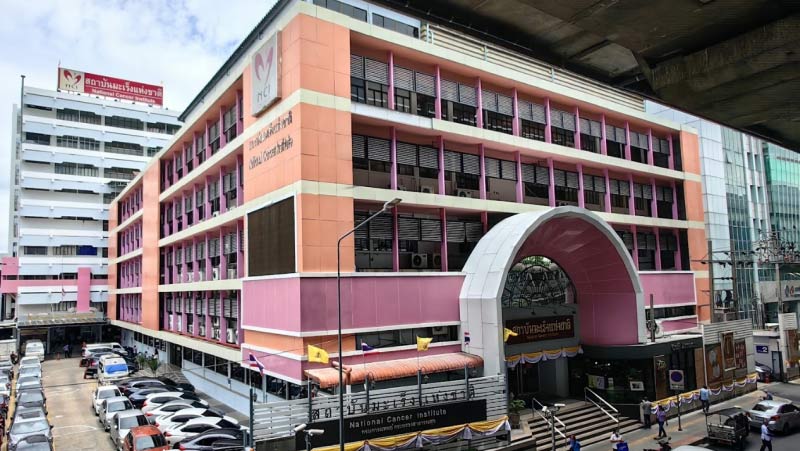
National Cancer Institute of Thailand Becomes Encare’s First Hospital Partner in Thailand

Encare has entered into a partnership with the National Cancer Institute of Thailand (NCI Thailand) in Bangkok, marking the start of structured ERAS® implementation at a specialist oncology hospital within Thailand’s public healthcare system.

The collaboration focuses on colorectal surgery, with NCI Thailand adopting the ERAS® Interactive Audit System (EIAS) to support protocol implementation, compliance tracking, and continuous audit. The partnership was signed in May 2026.

Bringing structured perioperative care to Thailand

ERAS® protocols are evidence-based guidelines designed to reduce surgical stress, improve recovery, and shorten hospital stays. Implementing them at scale requires more than clinical agreement: it requires structured data collection, team alignment, and a way to measure whether protocols are being followed consistently over time.

EIAS provides that infrastructure. By tracking compliance at the patient and protocol level, clinical teams can identify where implementation is strong and where it needs reinforcement, supporting both improvement and accountability.

A foundation for ERAS® Qualification

NCI Thailand’s stated objective is to work toward recognition as an ERAS® Qualified Center. ERAS® Qualification is independently assessed and awarded by the ERAS® Society, and is open to hospitals that can demonstrate sustained, measurable compliance with ERAS® protocols over time. EIAS is the audit system used to generate the data required for that assessment.

“Implementing Enhanced Recovery After Surgery (ERAS®) protocols has transformed routine cancer care throughout the entire surgical pathway. Furthermore, the ERAS® Interactive Audit System (EIAS) enables splendid, real-time data analysis, driving comprehensive improvements across clinical teams and healthcare societies.“, says Dr. Hathaiwan Moungthard, Oncology Surgeon at affiliated with medical facilities such as National Cancer Institute.

Dr. Hathaiwan Moungthard and her team at the Department of Surgery, National Cancer Institute of Thailand

“The National Cancer Institute of Thailand is an important first hospital partner for Encare as we enter the Thai market. The collaboration gives us an opportunity to support ERAS® implementation at a specialist oncology hospital within Thailand’s public healthcare system. We look forward to working with the NCI team as it introduces the guidelines in colorectal surgery,” says Rasmus Waller, CEO of Encare.

The partnership begins with colorectal surgery. Additional surgical specialties may follow as implementation matures.

Read the full press release: Encare signs agreement with National Cancer Institute of Thailand to support ERAS® implementation – Encare

About the National Cancer Institute of Thailand

The National Cancer Institute of Thailand is a specialist oncology hospital in Bangkok, operating under the Department of Medical Services, Ministry of Public Health. It provides diagnosis, treatment, and research across a broad range of cancer types.
www.nci.go.th

About Encare

Encare AB is a Swedish healthtech company and the sole global commercial partner of the ERAS® Society. The partnership was established in 2010 and runs through 2039. Encare provides the ERAS® Interactive Audit System (EIAS), which enables hospitals to measure adherence to evidence-based perioperative care guidelines, track outcomes and identify areas for improvement. Together with trainers appointed by the ERAS® Society, Encare supports hospitals through the ERAS® Implementation Program (EIP) and towards ERAS® Qualification. Today, Encare works with more than 140 hospitals across more than 30 countries, with more than 130,000 ERAS® surgical procedures registered in EIAS since 2010.
www.encare.net
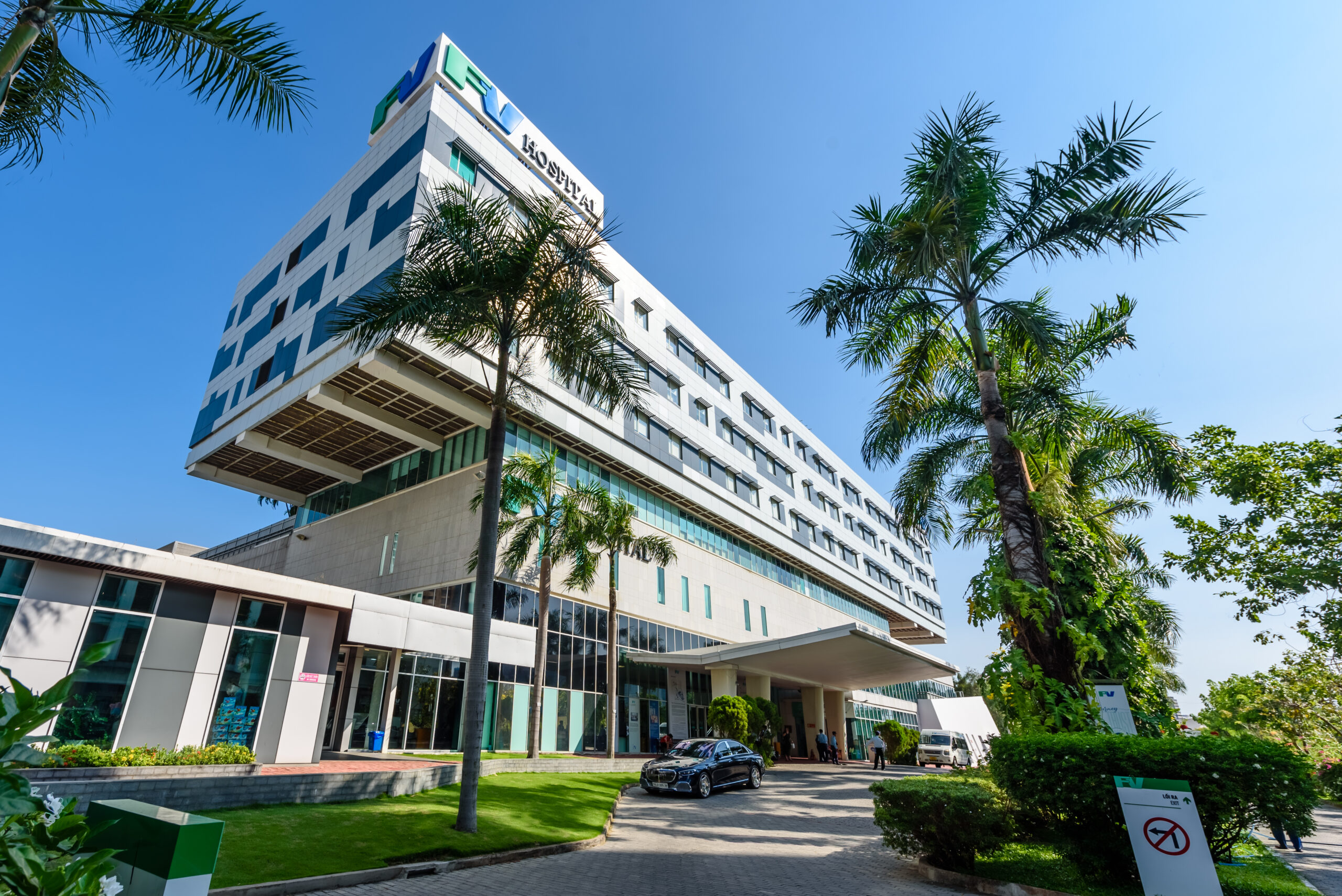

FV Hospital begins ERAS® programme in Ho Chi Minh City to improve surgical outcomes and achieve ERAS® Qualification

FV Hospital (Far East Medical Vietnam) has signed an agreement with Encare to implement ERAS® in colorectal surgery and knee arthroplasty. The hospital is Encare’s first partner hospital in Vietnam. Its aim is to improve outcomes for surgical patients by implementing the ERAS® Society guidelines and delivering them consistently, and through that to achieve ERAS® Qualification, independently assessed by the ERAS® Society.

FV Hospital is a private hospital in Ho Chi Minh City and part of Singapore-based Thomson Medical Group. The programme covers two surgical pathways, each following the ERAS® Society guidelines for that specialty. 


What ERAS® means for the two pathways

Enhanced Recovery After Surgery (ERAS®) is a set of evidence-based care elements that run from before admission to after discharge. They include preoperative information and nutrition, anaesthesia and pain management choices, and early mobilisation and feeding after surgery. Each ERAS® Society guideline defines the elements for its specialty, so the colorectal and Hip & Knee and knee teams at FV Hospital will each work to their own protocol.

Studies have consistently linked higher adherence to ERAS® guidelines with better recovery. Adherence also tends to drift after implementation, especially in postoperative care, unless teams keep measuring it. For that reason the programme pairs implementation with structured audit from the start.


How the programme works

FV Hospital’s multidisciplinary teams will go through the ERAS® Implementation Program (EIP), delivered by ERAS® Society appointed trainers. EIP typically runs as four seminars over 8 to 12 months, with working periods in between: 

  • Start: introduce ERAS® and map current practice
  • Baseline: review first results and agree priorities
  • Improve: extend to more patients and test changes
  • Sustain: build audit into routine governance

Throughout the programme, the teams register their cases in the ERAS® Interactive Audit System (EIAS). EIAS lets them see how consistently each guideline element is delivered, alongside outcomes such as length of stay, complications and readmissions. Hospitals that implement ERAS® through EIAS and follow a structured implementation may fulfil the criteria to be recognised by the ERAS® Society as an ERAS® Qualified Center.

Dr Jean-Marcel Guillon, CEO of FV Hospital, said: “Starting ERAS fits perfectly with FV Hospital’s strategy of delivering medical excellence to our patients. ERAS is an evidence-based approach to surgical care aimed at minimising the stress of surgery and accelerating recovery. In other words, it is a care pathway designed to improve the patient’s surgical experience, helping patients to be as well prepared as possible before surgery and supporting an easier and faster recovery.”


Part of a growing Asia-Pacific network

FV Hospital is one of 22 hospitals in 11 Asia-Pacific countries working with Encare. Others in the network include Tan Tock Seng Hospital in Singapore, an ERAS® Society Centre of Excellence, and Gleneagles Hospital Johor, the first hospital in Malaysia to achieve ERAS® Qualification in knee arthroplasty.

Implementation at FV Hospital begins on 2 October 2026 with the first EIP seminar. 


Read the full press release: FV Hospital becomes Encare’s first partner hospital in Vietnam and aims for ERAS® Qualification – Encare

Hospital Universitario Méderi Partners with Encare to Advance ERAS® Implementation

On August 3, 2026, Hospital Universitario Méderi in Bogotá, Colombia, officially signed a commercial agreement with Encare AB for the ERAS® Interactive Audit System (EIAS) and the ERAS® Implementation Program (EIP), becoming the first hospital to implement ERAS® Essentials across four lines of service simultaneously: colorectal, gastrectomy, esophageal, and pancreatic surgery.

This partnership represents a significant step in Méderi’s efforts to standardize perioperative care across multiple surgical specialties at once. ERAS® (Enhanced Recovery After Surgery) is a multimodal, evidence-based approach designed to reduce surgical stress, accelerate recovery, and improve clinical outcomes across surgical specialties.

Through the ERAS® Implementation Program, Méderi will focus on structured change management, multidisciplinary teamwork, and continuous performance monitoring across all four lines of service. These elements are essential to achieving sustained improvements in patient outcomes, care efficiency, and staff engagement.

As part of the collaboration, Méderi will use the ERAS® Interactive Audit System (EIAS) to support continuous quality improvement. EIAS enables structured data collection, regular performance reviews, and systematic evaluation of protocol adherence and outcomes, strengthening the link between ERAS® compliance and improved patient recovery.

The initiative is led by Dr. Andrés Isaza Restrepo, surgeon and head of the Complex Abdominal Pathology Institute at Méderi, who championed ERAS® implementation internally. The ERAS® Implementation Program will be delivered by Dr Angela Navas, referent and key opinion leader of ERAS® in Colombia

Méderi expects the collaboration to deliver clinical improvements across all four surgical lines as compliance is measured and sustained over time. Looking ahead, the hospital aims to expand structured ERAS® practice further as part of its broader commitment to evidence-based perioperative care.


Kantonspital Baden Achieves ERAS® Qualification for Colorectal Surgery

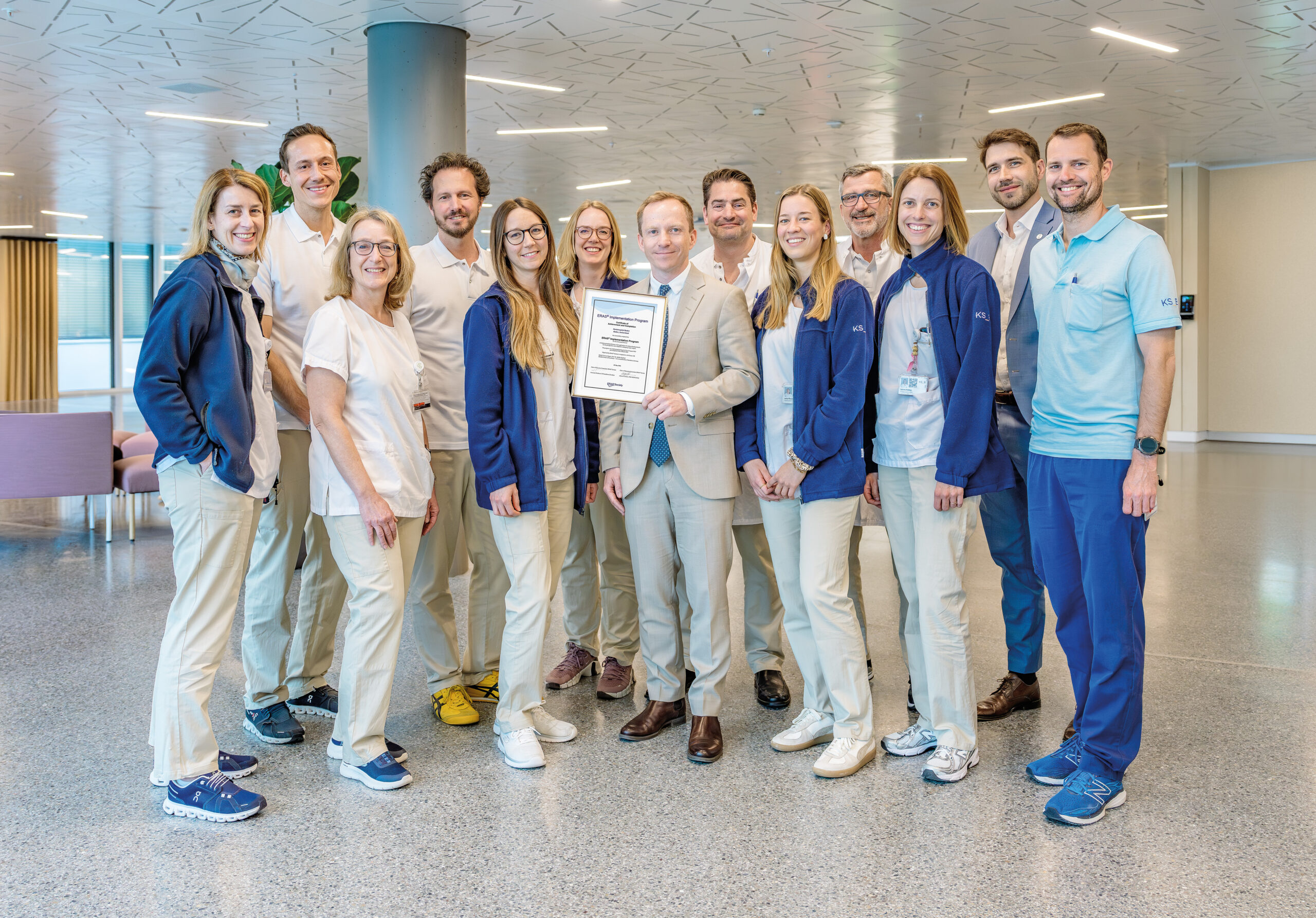
The ERAS® Team at Kantonspital Baden, Switzerland, led by Dr. Andrea Kopp Lugli, Dr. Regula Brodbeck, and Dr. Alex Ochsner, together with ERAS®  Nurses Julia Mussmann and Salome Mallien and their multidisciplinary team, has achieved the ERAS®  Qualification for implementing the colorectal ERAS®  protocol on May 5th 2026. 


The team in Baden has started the stepwise implementation of three ERAS®  protocols in August 2024. While their initial focus has been on the structured and comprehensive implementation of ERAS®  for colorectal patients, they have simultaneously begun implementing the ERAS®  protocols for bariatric and pancreatic surgery. The team will continue this work as part of their efforts to achieve future ERAS®  qualification in these specialties.


The full implementation was supported by  Prof. Dr. Steffen Seyfried and his team from the ERAS® Center of Excellence at Universitetsklinikum Mannheim in Germany. 


Congratulations to the full ERAS®  Team in Baden for this achievement and welcome to the ERAS®  world!

Department of Gynecology with Center for Oncologic Surgery at Charité – Universitätsmedizin Berlin Achieves ERAS® Qualification

Department of Gynecology with Center for Oncologic Surgery at Charité – Universitätsmedizin Berlin Achieves ERAS® Qualification — Four-Day Reduction in Length of Stay for Oncology Patients

Germany’s leading university hospital has achieved ERAS® Qualification in Gynecology, recording a four-day reduction in length of stay across a predominantly oncological patient cohort.

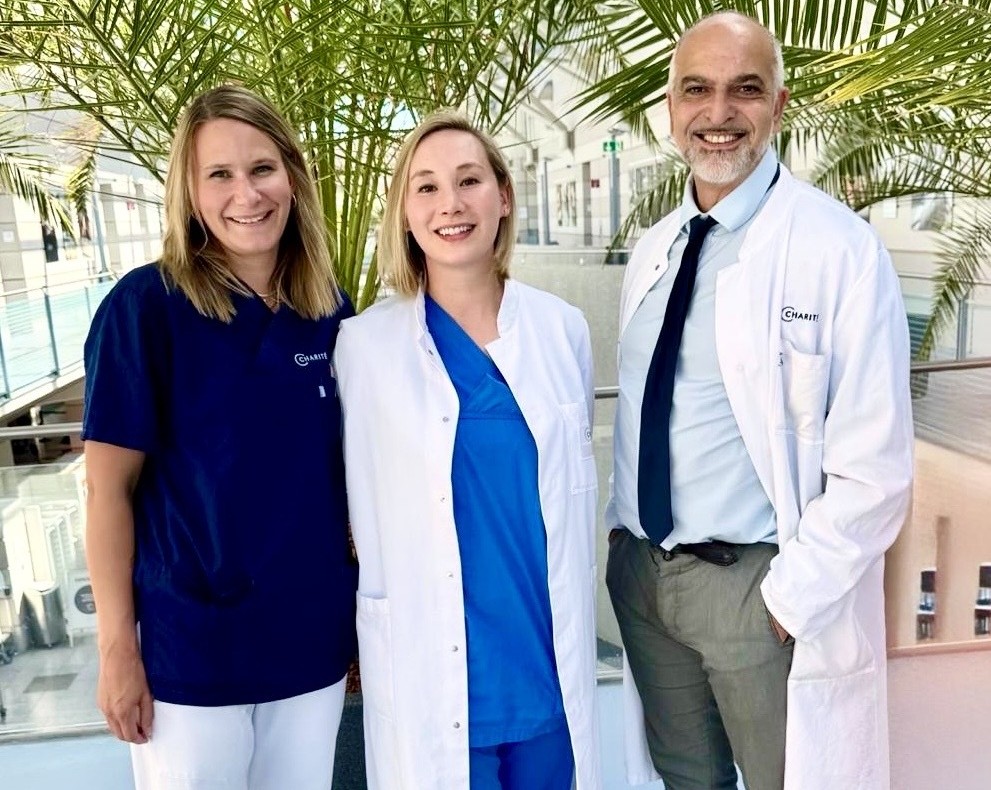
On 2 April 2026, Charité – Universitätsmedizin Berlin officially achieved ERAS® Qualification for the Gynecology Protocol at the Department of Gynecology with Center for Oncologic Surgery at Campus Virchow Klinikum (CVK).


A Complex Patient Population, a Measurable Result

A significant proportion of patients are treated for ovarian cancer, among the most surgically complex cases in gynecologic oncology. Against this backdrop, the team’s implementation of the ERAS® protocol achieved a doubling of first-day postoperative mobilization rates and a four-day reduction in length of stay.

Following the multicenter KORE-INNOVATION study, the clinic successfully integrated the protocol’s key components, including structured prehabilitation ahead of surgery, into routine clinical practice, establishing the basis for ERAS certification.


Clinical Leadership and Implementation Team

Dr. Marlene Lee and Prof. Dr. med. Dr. h.c. Jalid Sehouli provided clinical leadership for the certification process. ERAS Nurse Henriette Thorau was instrumental in integrating the protocol into routine clinical practice. The audit was carried out by Dr. Susanne Reuter and Freya Brodersen from the Universitätsklinikum Hamburg-Eppendorf (UKE) as part of the certification procedure.


Expanding ERAS® Across Specialties

Charité is an existing Encare customer with an established ERAS® track record across multiple surgical specialties. The addition of Gynecology reflects a deliberate expansion into women’s health and oncological surgery, areas of growing focus in perioperative care.

Throughout the implementation, Charité used the ERAS® Interactive Audit System (EIAS) to track protocol compliance at the item level, benchmark outcomes, and drive continuous improvement. This system is the operational backbone of any sustained ERAS® program.

ERAS® Qualification is independently assessed by the ERAS® Society and requires demonstrated guideline compliance, multidisciplinary implementation, and continuous outcome monitoring.

Benchmarking in Practice: What Two ERAS® Essentials Teams Learned from Each Other

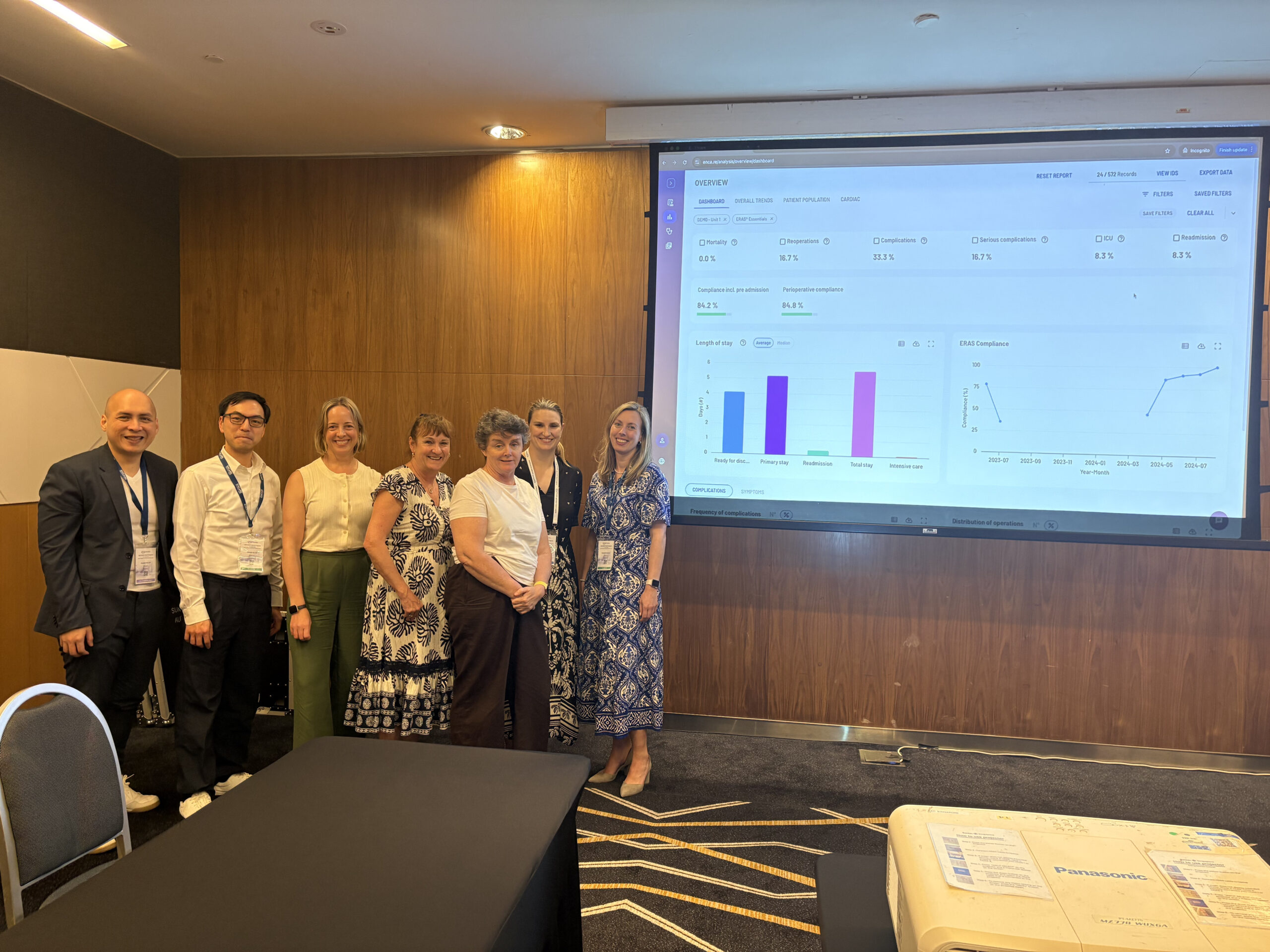
At the 12th ERAS® World Congress in Singapore, ERAS® coordinators from St Vincent’s and Eastern Health sat down together with their ERAS® Essentials data and did something that rarely happens: they compared it live, in the same room.

There were no presentations or pre-prepared slides. Just two teams, their real ERAS®  data open in the ERAS® Interactive Audit System (EIAS), and an honest conversation about what the numbers revealed and what was driving them.


What is ERAS® Essentials?

ERAS® Essentials is a protocol within the ERAS® Interactive Audit System (EIAS), developed in line with ERAS® Society research. Unlike specialty-specific protocols, it can be applied across a broad range of surgical procedures, including both elective and emergency surgery, using a focused set of core compliance measures.

It is designed for teams that want to implement best-practice perioperative care across an entire hospital without starting within a single surgical specialty. For many organisations, it is the entry point into structured ERAS® measurement. It also provides a practical framework for larger health systems looking to scale ERAS® practice across multiple units and departments in a standardized way.


Live benchmarking in practice

The session began with a direct comparison of ERAS® Essentials data from different units across both hospitals. Looking at the results side by side in real time, the discussion quickly moved beyond the numbers to the realities behind them.

When one team showed strong performance in a particular area, the other wanted to understand how they achieved it. When challenges were shared, the conversation turned to what had been tested, what had failed, and what had genuinely helped.

Practical adjustments, small process changes, and lessons that rarely make it into formal guidelines were exchanged openly — the kind of knowledge that only comes from teams doing this work every day.

That is what benchmarking is really for. Not rankings or league tables, but creating a structured opportunity for meaningful peer-to-peer learning.


Why ERAS® Essentials enables this kind of exchange

Because ERAS® Essentials uses the same core compliance measures across surgical specialties, teams from different hospitals — with different patient populations and surgical focuses — can still compare data in a meaningful way. That shared framework is what makes benchmarking valuable.

This is where the scalability of ERAS® Essentials becomes tangible: not only is it practical to implement across a health system, but once teams are using it, they can learn from one another in ways that accelerate improvement across the organisation.

If you are interested in ERAS® Essentials and how it could work for your team, find out more at: Solution – Encare 


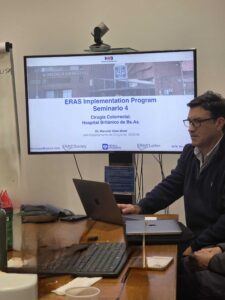
Hospital Británico de Buenos Aires Becomes ERAS® Qualified Center in Argentina for Colorectal Surgery

Hospital Británico de Buenos Aires has achieved ERAS® Qualification in colorectal surgery, becoming the only ERAS® Qualified Center in Argentina.

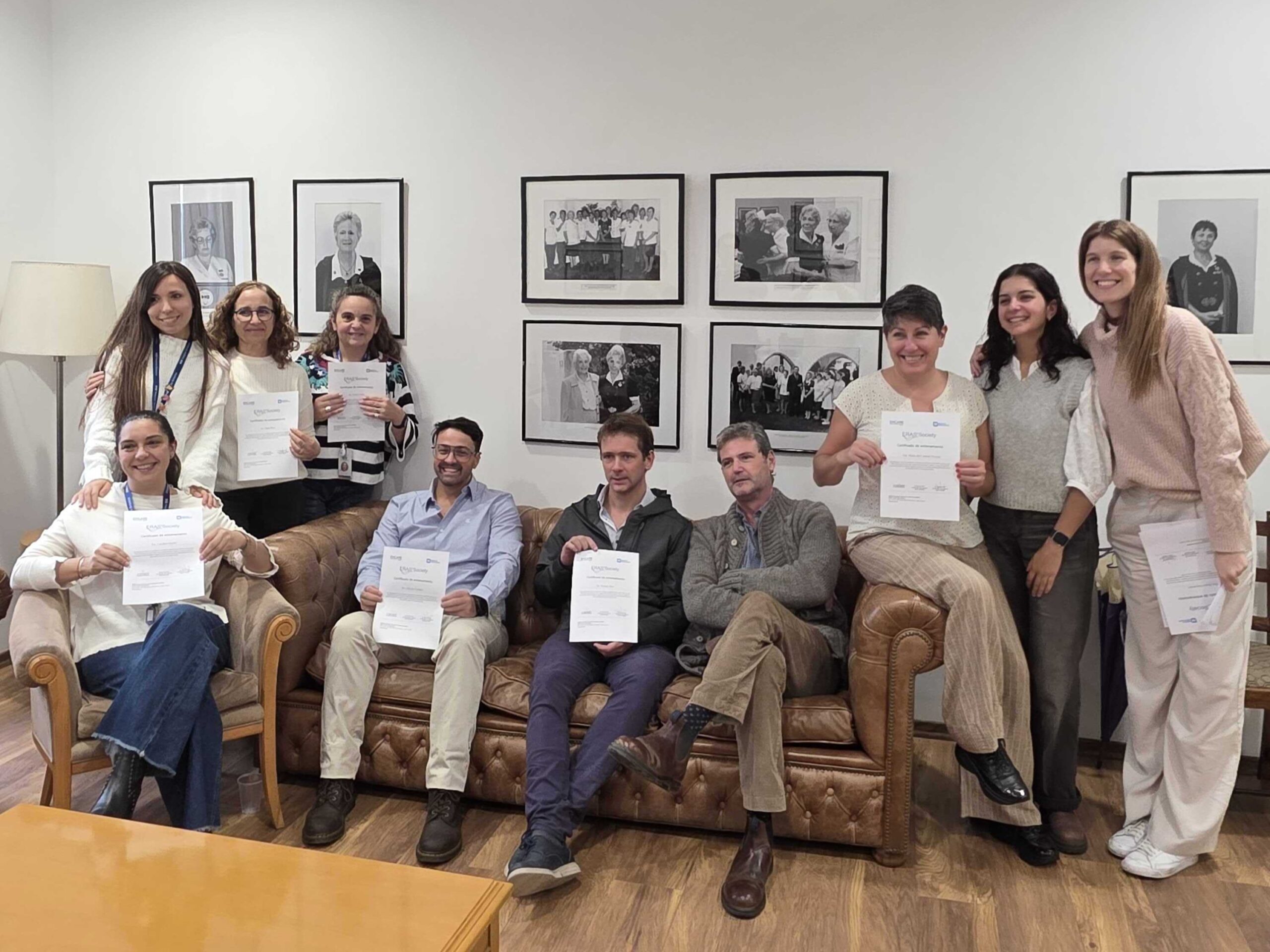
The qualification was awarded on May 9, 2026, following completion of the ERAS® Implementation Program (EIP) within the hospital’s Coloproctology Department, with compliance continuously measured through the ERAS® Interactive Audit System (EIAS).

As one of the country’s largest and most established hospitals, this milestone represents an important step forward for structured, evidence-based perioperative care in Latin America.

What ERAS® Qualification means

ERAS® Qualification is independently assessed and awarded by the ERAS® Society. It recognises hospitals that demonstrate sustained, high-level compliance with ERAS® guidelines in daily clinical practice, not just at a point in time, but consistently across the full patient pathway.

For Hospital Británico, this means ERAS® is no longer simply an initiative or project within the Coloproctology Department. It has become part of the standard way care is delivered.


Building the team and the program

The implementation was supported by the Médica Uruguaya training team and backed by the executive sponsorship of Medtronic/Covidien Argentina.

The team describes the central challenge honestly: coordinating a complex, multidisciplinary group within one of Argentina’s largest institutions, while navigating socioeconomic obstacles, institutional changes, and significant administrative barriers. Different professions, different schedules, different starting points, all needing to align around a shared protocol and sustain that alignment over time.

What emerged was a team that is stronger for having gone through it. The same people who started the program completed it. Along the way they improved their clinical metrics, increased patient satisfaction, and built the internal governance and measurement culture needed to sustain ERAS® delivery on an ongoing basis.

As the team put it: they are the same individuals they were at the start but now functioning as a unified team within the hospital 


The results

The data show steady improvement following ERAS® implementation, with clearer gains in the most recent periods.

Length of stay decreased from 9 days before ERAS® implementation to 7.2 days, with a continued decrease recorded in the last six months. ICU use follows the same downward trend. Reoperation rates have declined progressively. Mortality has remained low throughout. Complication rates have remained relatively stable overall, though serious complications have fallen in the last six months.

Compliance has increased across all periods and aligns with the improvements seen in recovery and resource use.


Why this matters for Argentina

Hospital Británico is the only ERAS® Qualified Center in Argentina for colorectal surgery. In a healthcare system where perioperative care standardisation is still developing, this qualification demonstrates that structured, audited ERAS® implementation is not only achievable at scale, it is sustainable.

This milestone positions Hospital Británico as a reference point for ERAS® adoption across Argentina and the wider Latin American region.

If you are looking to start or expand your ERAS® implementation, learn more about Encare’s solutions here: Solution – Encare 

When the Community Gathers: The ERAS® Centers Meeting at the ERAS® World Congress 2026

The ERAS® World Congress 2026 in Singapore brought together more than 550 participants from over 40 countries. But before the main programme opened, a smaller and more focused gathering took place: the ERAS® Centers Meeting.

On the afternoon of 13 May, ahead of the congress, the ERAS® Society and Encare co-hosted this dedicated session at the Suntec Singapore Convention and Exhibition Centre. It was designed from the start as a space for the people actively working with ERAS® to exchange real-world experience, hear updates from the ERAS® Society, and connect with peers from other centers doing the same work in very different settings.


Built for practitioners, not presentations

The format reflected the purpose: conversation and exchange rather than one-way presentations. Speakers included Prof. Olle Ljungqvist of Örebro University Hospital, Sweden, Director Allyson Cochran of Atrium Health, Dr. Vera Lim from Tan Tock Seng Hospital, Singapore, and Lotta Sellén from Encare. Dr. Vera Lim’s theme was sharing and opened the floor for sharing experiences, and what emerged was a picture of ERAS® implementation that felt true to the people living it.

Dr. Vera Lim’s session stood out for its interactive approach. Rather than presenting conclusions, she opened up the floor to shared experiences, inviting the room to contribute what they had learned in their own contexts. What emerged was a picture of ERAS® implementation that felt true to the people living it: full of challenge, full of progress, and driven by teams who care deeply about getting it right.


Two new ERAS® Qualified Centers

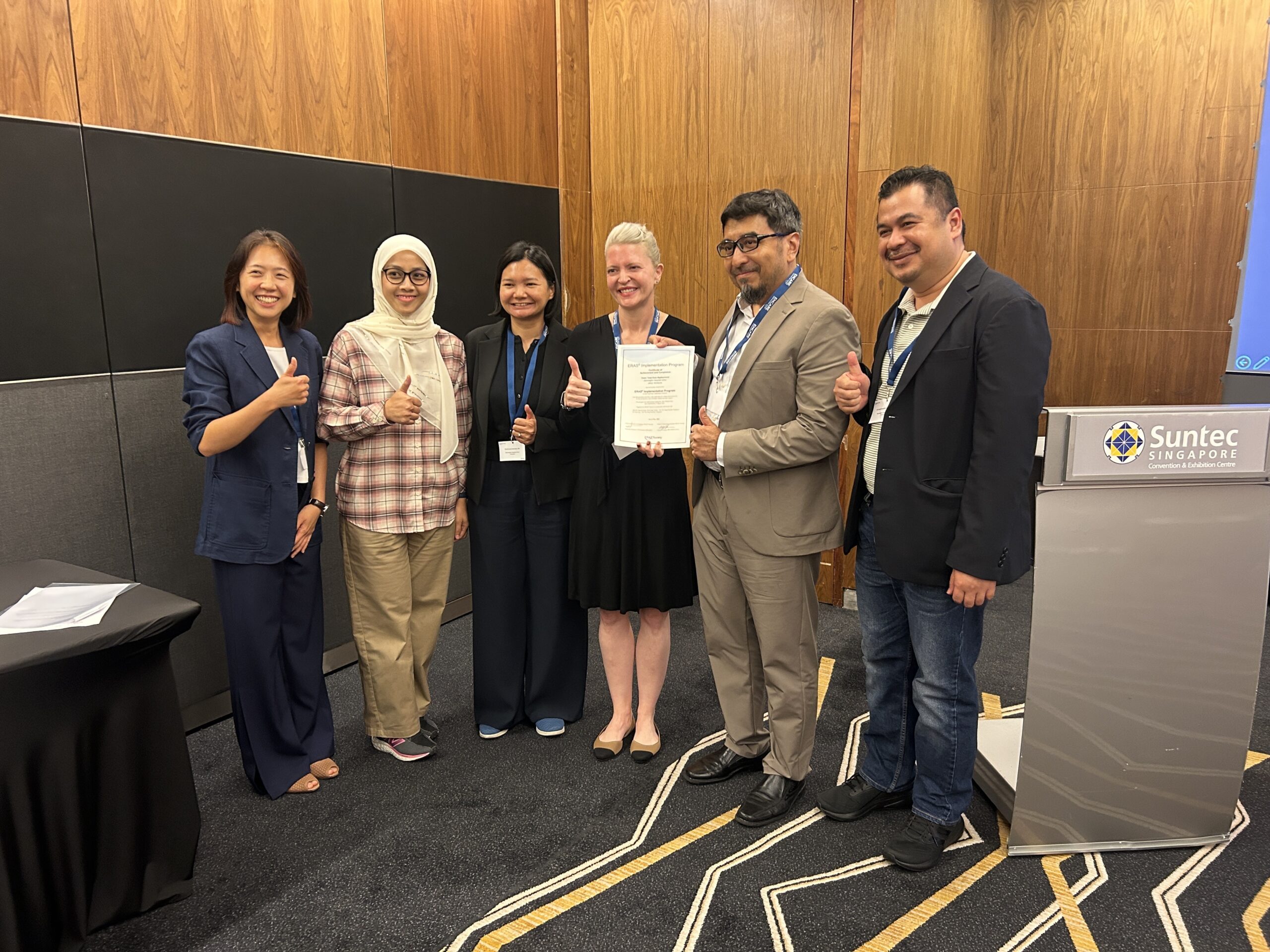
The session opened with a significant milestone. Two hospitals received their ERAS® Qualified Center certificates during the meeting, both firsts for their respective countries.

Gleneagles Hospital Johor became the first hospital in Malaysia to achieve ERAS® Qualification, recognised for its implementation in Knee Arthroplasty. Mayapada Hospital Surabaya became the first in Indonesia to receive the same recognition, for its work in Total Knee Replacement.

ERAS® Qualification is independently assessed and issued by the ERAS® Society for hospitals that implement ERAS® through a structured process, using the ERAS® Interactive Audit System (EIAS) for continuous compliance auditing, and that meet the Society’s published criteria. Achieving it reflects not just a moment of compliance, but a sustained commitment to structured perioperative care.

The trainers who had worked alongside both teams took a moment to acknowledge what they had seen over the course of the implementation journey. For teams that have put months of work into building something that lasts, hearing that from someone who was there with them carries real weight.


The same challenges, everywhere

One thing became clear as the session developed: ERAS® implementation teams around the world are navigating remarkably similar terrain, regardless of their health system, their resources, or their surgical specialty.

Different hospitals. Different countries. Different levels of staffing and infrastructure. And yet the same fundamental questions about clinical engagement, data collection, sustaining compliance over time, and keeping momentum alive when the initial drive fades. The same hard-won lessons. The same satisfaction when the work pays off in measurable outcomes.

That shared reality is at the heart of what the ERAS® Centers community is. Recognising your own experience in someone else’s story, across an ocean and a different language, is what makes a global community feel real rather than just large.


A session to remember

The energy in the room was something the whole team will take with them. Seeing implementation teams from different countries, different settings, and different specialties find common ground, share what they have learned, and celebrate each other’s achievements is exactly what this kind of gathering is for.

Thank you to the ERAS® Society for co-hosting and for creating the conditions that make this community thrive. And thank you to every team that was in the room.


Related reading

Why “doing ERAS®” is not the same as delivering ERAS®

A new paper from the ERAS® Society, published in World Journal of Surgery (April 2026), revisits two decades of Enhanced Recovery After Surgery, confronting an uncomfortable truth about how it is implemented in practice.

The paper, authored by Prof. Olle Ljungqvist, Prof. Mary Brindle, Prof. Martin Hubner, Prof. Gregg Nelson and Assoc. Prof. Ulf Gustafsson, traces the development of ERAS® from early Fast Track surgery in the 1990s to a global perioperative care movement now active in more than 30 countries. It is, in many ways, a celebration of what ERAS® has achieved: shorter hospital stays, fewer complications, lower cost of care, and a growing body of evidence that ERAS® compliance is associated with improved long-term survival.

But the most important passage in the paper is not about success. It is about the gap between perceived and actual practice.


The “we do ERAS®” problem

The authors write:

“Most clinical units involved in surgery today claim they ‘do ERAS’. While some may in fact have successful ERAS in place, on closer inspection most units are not truly practicing ERAS or producing the results that would be anticipated if ERAS was truly, meaningfully adopted.”

It is the conclusion of the people who built ERAS®, after more than a decade of training hospitals and auditing their perioperative care.

The numbers are specific:

  • Most units, even those with dedicated ERAS® programs, achieve only 40–60% compliance with ERAS® guidelines
  • National length-of-stay data in many countries shows twice that of true ERAS® care
  • Clinical benefits become visible when compliance rises above 70–80%
  • As ERAS® compliance increases, length of stay and complications decrease in a clear dose-response relationship

In other words: partial ERAS® delivers partial results. And most hospitals are doing partial ERAS® without knowing it.


Why a protocol on paper is not enough

One of the most striking observations in the paper is from the original ERAS® Study Group itself. When the clinicians who wrote the ERAS® protocol reviewed their own daily practice, they found their actual care was quite different from what they believed they were delivering. Even the architects of ERAS® were not fully practicing ERAS®.

This is not a failure of intent. It is a structural problem. Perioperative care involves dozens of decisions, multiple professions, and several handovers across the patient pathway. Without continuous measurement, it is almost impossible for a team to know whether the full pathway is being followed for every patient.

The authors point to early implementation work in the Netherlands, where structured training reduced length of stay by 30–50% within a year. But follow-up showed that compliance dropped and outcomes regressed once the project finished. The conclusion was clear: implementation as a one-time project is not enough. Sustainability requires a different way of working.


Audit as the foundation of sustainable ERAS®

This is where the paper makes its most direct statement about what works. The authors describe audit and feedback as a core part of any ERAS® program, and note that the ERAS® Interactive Audit System (EIAS) was developed as the Society’s endorsed audit system to record demographics, care processes and a rich set of outcome measures for all patients continuously.

The mission statement of the ERAS® Society, reproduced in the paper, places audit alongside evidence-based practice, implementation, research and education as one of four pillars. Implementation is explicitly defined as supporting protocol and tool development

“based on a foundation of continuous audit and feedback (i.e., EIAS) with an ultimate goal of achieving sustained and meaningful compliance.”

This framing matters. Audit is not a quality assurance add-on. It is the mechanism that makes ERAS® visible, measurable and sustainable.


What this means for hospitals and health systems

For clinical leaders, the implication is direct. If a hospital cannot show its actual compliance rates across the full ERAS® pathway, patient by patient, then it does not know whether its ERAS® program is delivering the outcomes the evidence promises. It may be. It may not be. Without measurement, it is a question of belief, not knowledge.

For health system leaders and payers, the implication is equally direct. The return on investment for ERAS®, reported in the paper as up to seven times, depends on meaningful implementation and sustained compliance. Funding ERAS® without funding the audit infrastructure that sustains it means funding a protocol, not necessarily an outcome.


The work ahead

The paper closes by noting that ERAS® is far from being adopted universally, and that much work remains. The ERAS® Society’s stated focus going forward is to deepen its impact in places where adoption remains poor, support the democratization of ERAS® knowledge, and use robust data to inform the future of Enhanced Recovery care.


What this means for Encare’s work

At Encare, we have been the commercial partner of the ERAS® Society since 2010. Through EIAS, we support hospitals in more than 30 countries in measuring ERAS® compliance, outcomes and care processes across the full patient pathway.

We see the gap the authors describe every day: the difference between hospitals that say they do ERAS® and hospitals that can prove how consistently ERAS® is delivered.

Closing that gap is the work Encare was built to support.

The full paper is open access and worth reading in its entirety.

Read the paper: ERAS—Enhanced Recovery After Surgery: The ERAS Society Story, World Journal of Surgery, April 2026 

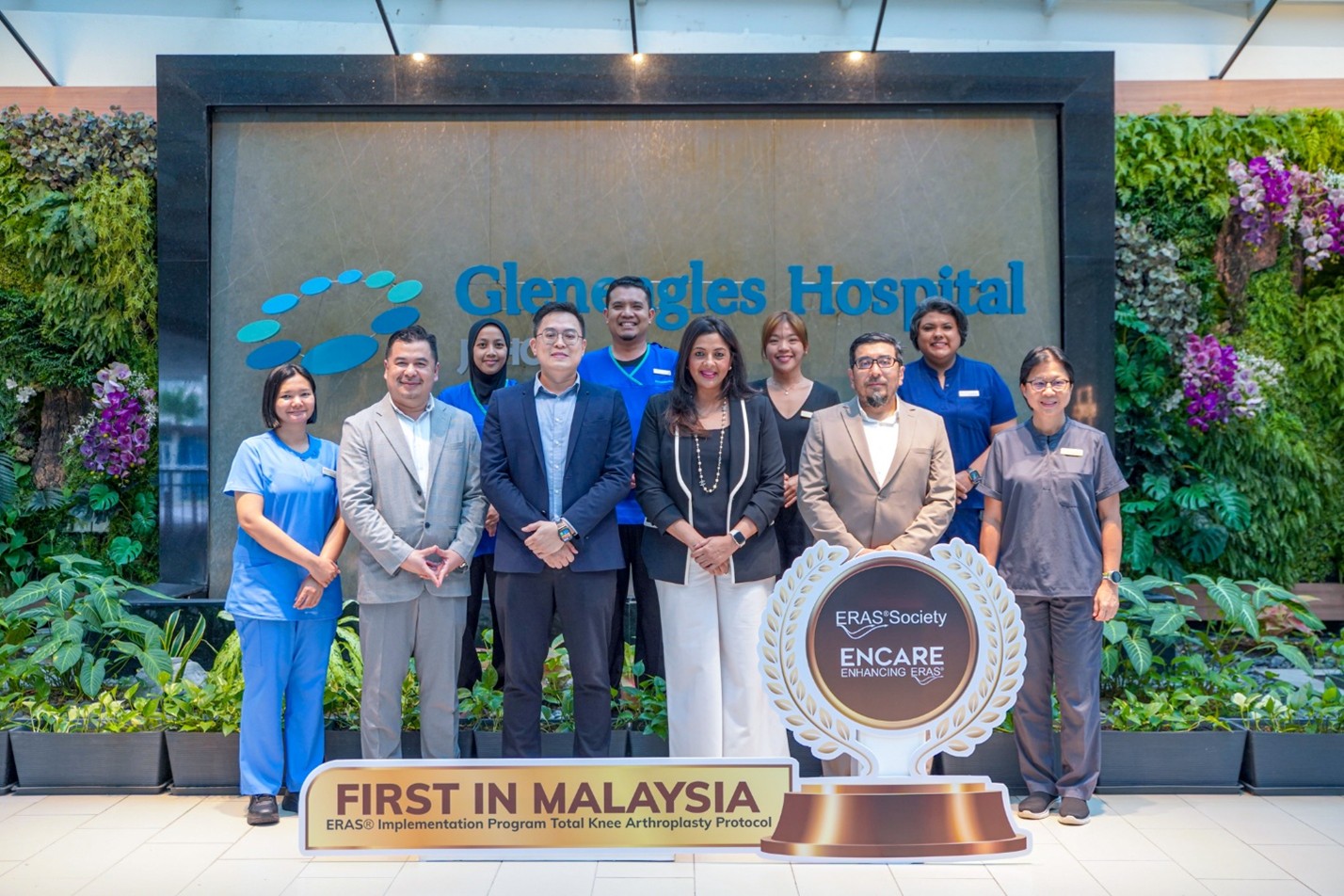
Gleneagles Hospital Johor Becomes First in Malaysia to Achieve ERAS® Qualification in Knee Arthroplasty

Gleneagles Hospital Johor has achieved ERAS® Qualification in Knee Arthroplasty, becoming the first hospital in Malaysia to reach this milestone.

This achievement marks an important step in the adoption of structured, evidence-based perioperative care in the region and signals the continued expansion of ERAS® across Malaysia.

The implementation was led by Dr. Shahridan Fathil (ERAS® Lead & Advisor) and Staff Nurse Ernizah Hamzah (ERAS® Coordinator), with strategic leadership perspectives from Dr. Kamal Amzan, CEO of IHH Healthcare Malaysia. The team was supervised and coached by the ERAS® Center of Excellence team from Tan Tock Seng Hospital in Singapore, led by Dr. Kwang Yeong How and Dr. Vera Lim Qinyl.

Gleneagles Hospital Johor is part of IHH Healthcare Malaysia, one of the region’s leading healthcare groups, further reinforcing the role of structured perioperative care within large healthcare systems.
The team’s work reflects a clear focus on improving recovery through coordinated, multidisciplinary care pathways. As highlighted by the hospital:

“Better recovery is better care.”


ERAS® represents a shift toward standardized perioperative pathways designed to reduce surgical stress, support faster recovery, and improve patient outcomes. By addressing key recovery factors such as mobility and physiological function, teams can create more predictable and patient-centered care journeys.

Beyond knee arthroplasty, Gleneagles Hospital Johor is also expanding ERAS® into additional specialties, including gynecology and colorectal surgery, supporting a broader transformation of perioperative care.

This milestone reflects not only a single qualification, but the beginning of ERAS® expansion in Malaysia, with increasing focus on structured implementation, measurement, and sustained performance.

If you are looking to start or expand your ERAS® implementation, learn more about Encare’s solutions here: https://encare.net/products-and-services/


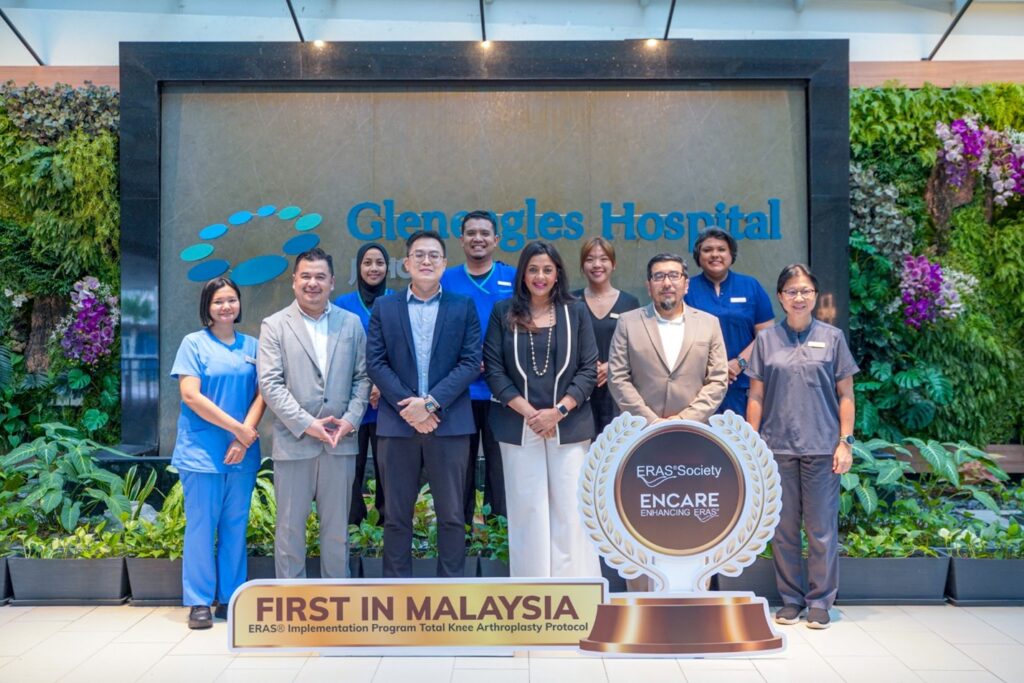
Gleneagles-Hospital-Johor-Becomes-First-in-Malaysia-to-Achieve-ERAS®-Qualification-in-Knee.jpg
Front: Siti Noor Ernizah Hamzah (ERAS Coordinator), Hishammudin Wahab (ERAS Team Leader), Dr Loi Kai Weng (Orthopaedic Surgeon), Ms Sipika Singh (Deputy CEO Gleneagles Hospital Johor), Dr Shahridan Mohd Fathil (Anaesthesiologist & Advisor Lead for ERAS) and Koon Lai Chiew (Director of Nursing)
Behind: Nur Suhada Kamar (Physiotherapist), Azri Laily (Physiotherapist), Mok Ee Hua (Dietician), Anna Benedict (Nurse Manager of Surgical Orthopaedic Ward)

Thank you!

Your email address has been successfully submitted.

We’ll be in touch soon with more information.

Add Your Heading Text Here