The ERAS® World Congress 2026 in Singapore brought together more than 550 participants from over 40 countries. But before the main programme opened, a smaller and more focused gathering took place: the ERAS® Centers Meeting.
On the afternoon of 13 May, ahead of the congress, the ERAS® Society and Encare co-hosted this dedicated session at the Suntec Singapore Convention and Exhibition Centre. It was designed from the start as a space for the people actively working with ERAS® to exchange real-world experience, hear updates from the ERAS® Society, and connect with peers from other centers doing the same work in very different settings.
Built for practitioners, not presentations
The format reflected the purpose: conversation and exchange rather than one-way presentations. Speakers included Prof. Olle Ljungqvist of Örebro University Hospital, Sweden, Director Allyson Cochran of Atrium Health, Dr. Vera Lim from Tan Tock Seng Hospital, Singapore, and Lotta Sellén from Encare. Dr. Vera Lim’s theme was sharing and opened the floor for sharing experiences, and what emerged was a picture of ERAS® implementation that felt true to the people living it.
Dr. Vera Lim’s session stood out for its interactive approach. Rather than presenting conclusions, she opened up the floor to shared experiences, inviting the room to contribute what they had learned in their own contexts. What emerged was a picture of ERAS® implementation that felt true to the people living it: full of challenge, full of progress, and driven by teams who care deeply about getting it right.
Two new ERAS® Qualified Centers
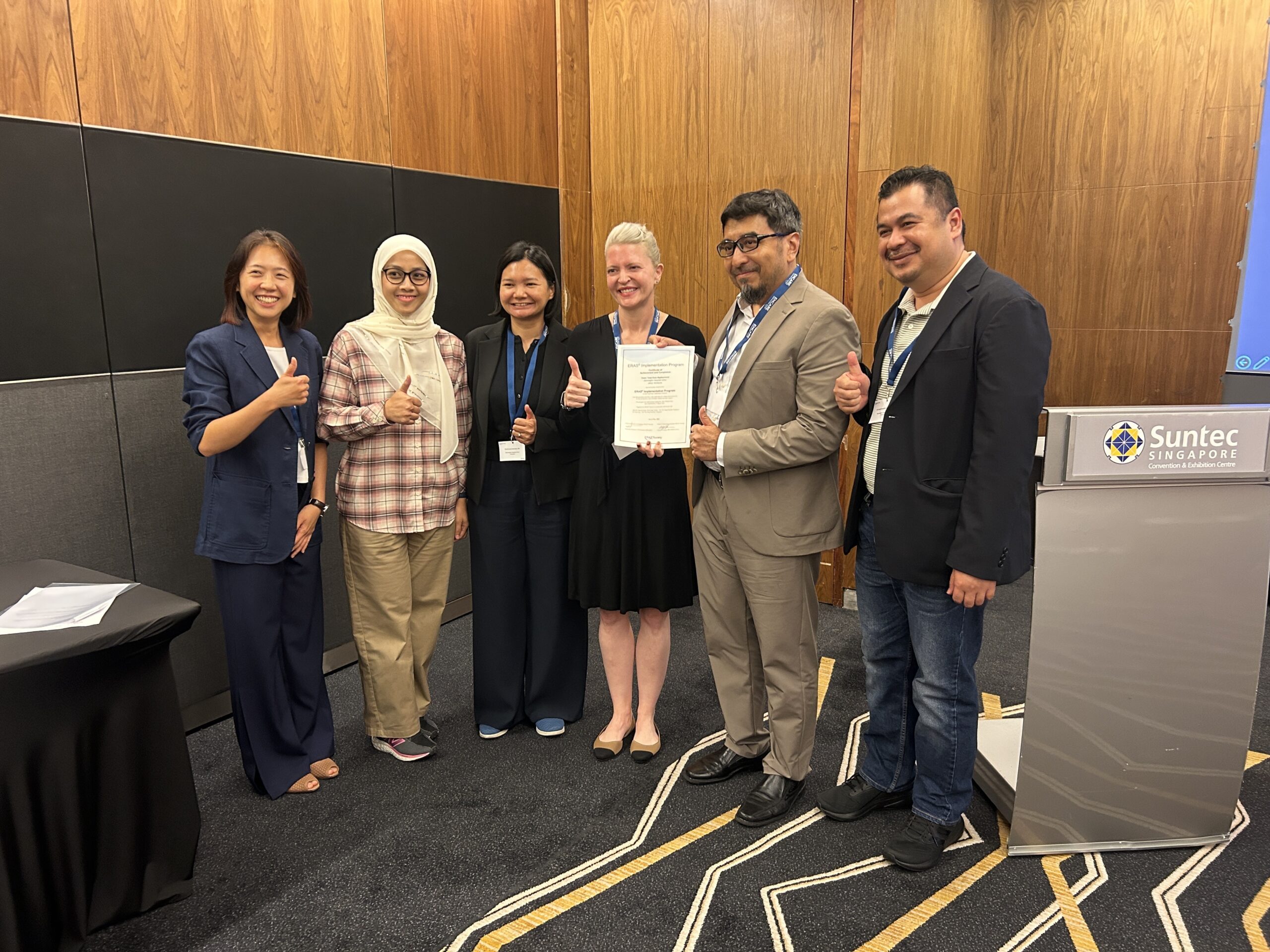
The session opened with a significant milestone. Two hospitals received their ERAS® Qualified Center certificates during the meeting, both firsts for their respective countries.
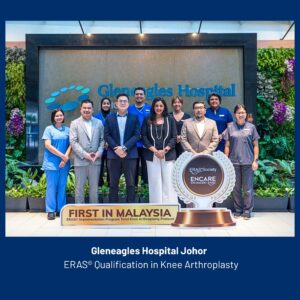
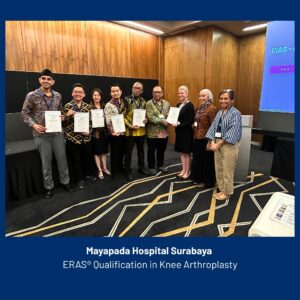
Gleneagles Hospital Johor became the first hospital in Malaysia to achieve ERAS® Qualification, recognised for its implementation in Knee Arthroplasty. Mayapada Hospital Surabaya became the first in Indonesia to receive the same recognition, for its work in Total Knee Replacement.
ERAS® Qualification is independently assessed and issued by the ERAS® Society for hospitals that implement ERAS® through a structured process, using the ERAS® Interactive Audit System (EIAS) for continuous compliance auditing, and that meet the Society’s published criteria. Achieving it reflects not just a moment of compliance, but a sustained commitment to structured perioperative care.
The trainers who had worked alongside both teams took a moment to acknowledge what they had seen over the course of the implementation journey. For teams that have put months of work into building something that lasts, hearing that from someone who was there with them carries real weight.
The same challenges, everywhere
One thing became clear as the session developed: ERAS® implementation teams around the world are navigating remarkably similar terrain, regardless of their health system, their resources, or their surgical specialty.
Different hospitals. Different countries. Different levels of staffing and infrastructure. And yet the same fundamental questions about clinical engagement, data collection, sustaining compliance over time, and keeping momentum alive when the initial drive fades. The same hard-won lessons. The same satisfaction when the work pays off in measurable outcomes.
That shared reality is at the heart of what the ERAS® Centers community is. Recognising your own experience in someone else’s story, across an ocean and a different language, is what makes a global community feel real rather than just large.
A session to remember
The energy in the room was something the whole team will take with them. Seeing implementation teams from different countries, different settings, and different specialties find common ground, share what they have learned, and celebrate each other’s achievements is exactly what this kind of gathering is for.
Thank you to the ERAS® Society for co-hosting and for creating the conditions that make this community thrive. And thank you to every team that was in the room.
Related reading