Generic selectors
Exact matches only
Search in title
Search in content
Post Type Selectors
pages
post
Filter by Categories
All News
Case studies
News About Encare
Product updates
Publications
Upcoming events
Video & Webinars
ENHANCE ERAS® WITH ENCARE
Generic selectors
Exact matches only
Search in title
Search in content
Post Type Selectors
pages
post
Filter by Categories
All News
Case studies
News About Encare
Product updates
Publications
Upcoming events
Video & Webinars

Advancing Perioperative Care in CRS + HIPEC: Integrating Standardization, ERAS® Principles, and Multidisciplinary Practice

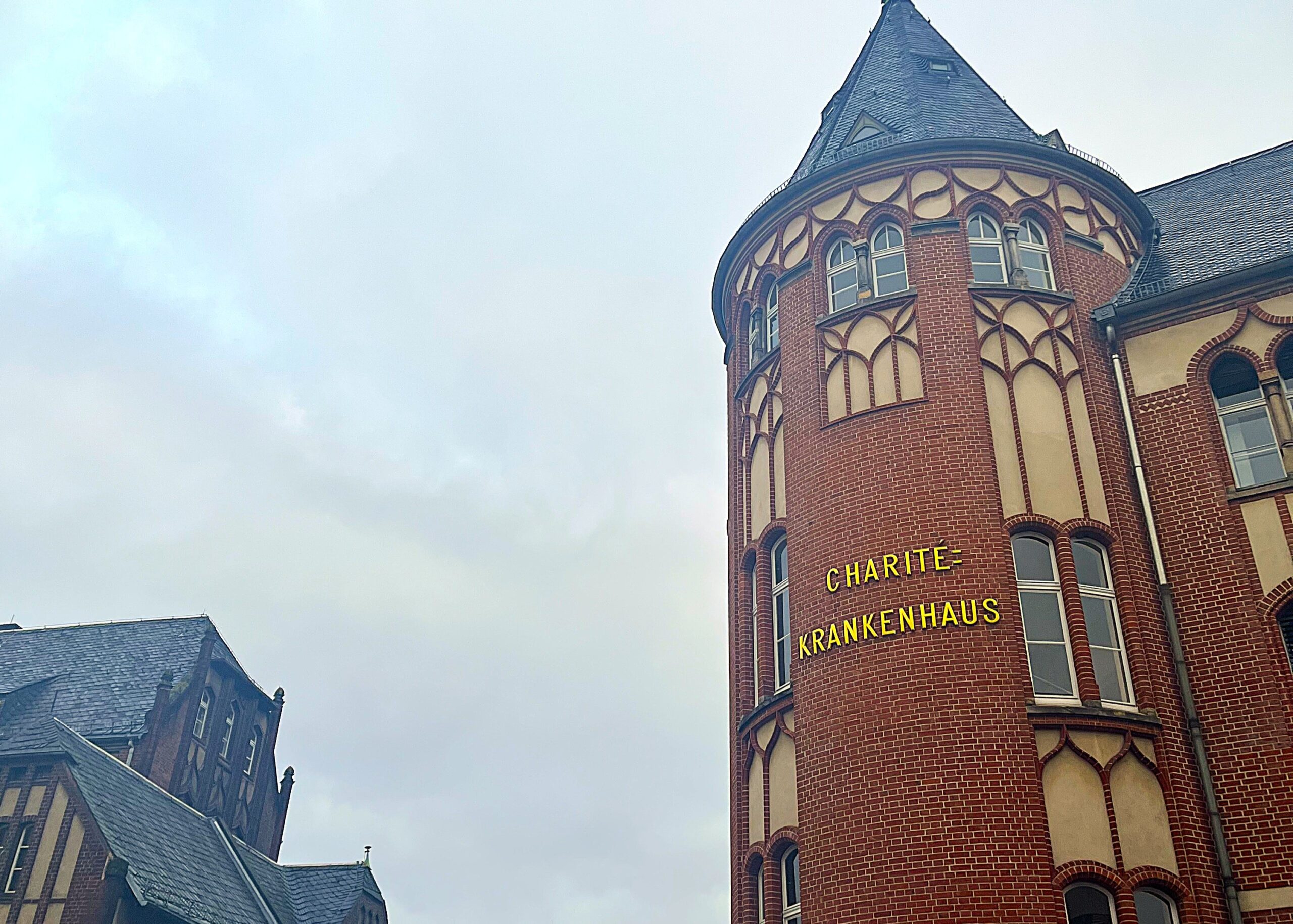
The recent course held at Charité – Universitätsmedizin Berlin brought together surgeons, anesthesiologists, and perioperative specialists for an in-depth exploration of how to optimize outcomes for patients undergoing Cytoreductive Surgery (CRS) combined with Hyperthermic Intraperitoneal Chemotherapy (HIPEC) for peritoneal surface malignancies. As one of the most complex and high-risk procedures in surgical oncology, CRS + HIPEC requires structured pathways, strong teamwork, and meticulous coordination across disciplines.


A Holistic, Multidisciplinary Approach

The course provided a comprehensive look at the entire perioperative workflow, from patient selection and prehabilitation to intraoperative techniques and postoperative recovery. This full-cycle perspective highlighted the importance of aligning clinical decision-making, logistics, and communication to support patient safety and recovery.


Standardization as a Foundation for Safer Care

A central message throughout the sessions was the value of structured protocols and standardized operating procedures (SOPs). Participants were encouraged to establish clear, multidisciplinary care pathways in their own hospitals to reduce variation, improve predictability, and support better outcomes.
In a surgical setting as demanding as CRS + HIPEC, consistency is not just helpful, it is essential.


Integrating Modern Perioperative Strategies

Although CRS + HIPEC represents a unique and complex field, many principles that improve recovery in other specialties also apply here. The course highlighted how ERAS®-aligned approaches, including prehabilitation, multimodal optimization, early mobilization, and data-driven evaluation, can be adapted to this patient population.
This reflects a broader shift in oncology: combining technical excellence with physiological and organizational readiness.


From Global Perspectives to Practical Implementation

With participants joining from multiple countries, discussions were enriched by diverse experiences and perspectives. Many conversations centered around how ERAS® guidelines can support teams in building structured pathways for CRS + HIPEC, enabling safer workflows and more predictable recoveries.


Moving Toward Better Outcomes in Complex Oncology

By bridging surgical, anesthetic, physiological, and organizational insights, the course offered a realistic and actionable roadmap for improving perioperative care in CRS + HIPEC. The message was clear: when teams standardize care, collaborate across disciplines, and integrate modern recovery principles, even the most complex oncology pathways can become safer, more efficient, and more patient-centered.
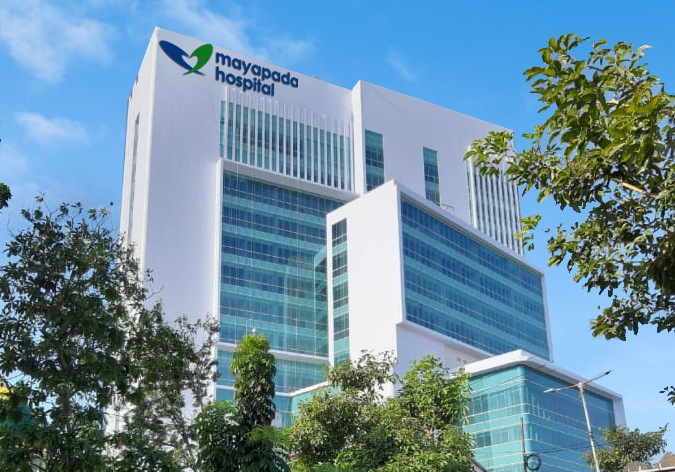

Mayapada Healthcare First in Indonesia to Join the ERAS® Implementation Program

Mayapada Healthcare has become the first healthcare group in Indonesia to collaborate with Encare and the international ERAS® Society to implement the country’s first Official ERAS® Implementation Program (EIP). The program will initially be introduced within Orthopedics (Hip & Knee).

The EIP will first be implemented at three of the group’s leading hospitals: Mayapada Hospital Surabaya (MHSB), Mayapada Hospital Jakarta Selatan (MHJS), and Mayapada Hospital Kuningan (MHKN). This milestone marks a significant advancement in perioperative care in Indonesia, as these hospitals work toward becoming the first in the nation to achieve official ERAS® Society Qualification. Implementing the ERAS® protocol adds significant value by enhancing patient comfort and accelerating recovery after surgery.

Driving International Best Practices in Surgical Care

The ERAS® Implementation Program (EIP) is the globally validated, structured methodology developed by the ERAS® Society and Encare. Supported by the ERAS® Interactive Audit System (EIAS), the program enables hospitals to benchmark outcomes, monitor compliance, and drive measurable and sustained improvements in surgical care.

“This collaboration with Mayapada Healthcare represents a landmark step for ERAS® in Indonesia,” says Rasmus Waller, CEO of Encare. “Mayapada Healthcare’s strong commitment to quality and innovation makes them an ideal partner. Together, we will establish new standards for enhanced recovery and significantly improve outcomes for orthopedic patients across the country.”

Dr. Dini Handayani, MARS, FISQua, FIPC, Director at Mayapada Healthcare, adds: “Our collaboration with Encare and the ERAS® Society reflects our mission to deliver world-class patient care. Implementing the ERAS® program will elevate surgical recovery, reduce complications, and strengthen the overall patient experience at our hospitals.”

Advancing Global Standards Through the ERAS® Society

The ERAS® Society is the worldwide scientific authority behind ERAS®, developing multidisciplinary, evidence-based guidelines that improve recovery after surgery. Through its partnership with Encare, the Society integrates its protocols into the EIAS platform, enabling consistent implementation, standardized pathways, and continuous quality improvement.


About EIAS

Encare’s innovative SaaS solution, the ERAS® Interactive Audit System (EIAS), supports healthcare providers in improving patient recovery after surgical procedures. Through EIAS, Encare provides digital tools and training to implement ERAS® programs in hospitals, aiming to enhance patient outcomes, reduce complications, and shorten hospital stays.

About Mayapada Healthcare

Mayapada Healthcare (PT Sejahteraraya Anugrahjaya Tbk.) (Ticker Code: SRAJ) is a key business pillar of Mayapada Group (founded by Dato’ Sri Prof. DR. Tahir in 1986) in the healthcare services sector, operating seven hospitals with over 1,200 beds and more than 1,500 professional medical teams. Mayapada Hospital has received various accreditations and awards, as well as 11 ‘Centers of Excellence’. The seven hospitals under Mayapada Healthcare are Mayapada Hospital Tangerang, Mayapada Hospital South Jakarta, Mayapada Hospital Bogor, Mayapada Hospital Kuningan, Mayapada Hospital Surabaya, Mayapada Hospital Bandung, and Mayapada Hospital Nusantara. The 11 ‘Centers of Excellence’ at Mayapada Hospital include: Tahir Neuroscience Center, Tahir Uronephrology Center, Cardiovascular Center, Gastrohepatology Center, Oncology Center, Orthopedic Center, Obstetrics & Gynecology Center, Pediatric Center, Internal Medicine and Pulmonology Center, Allergy-Immunology Center, and the Mayapada Autoimmune Center Indonesia, the first and only autoimmune service center in Indonesia.

About Encare

Encare is a HealthTech company that develops a SaaS solution that contributes to improving surgical outcomes. Encare’s interactive, cloud-based solution enables healthcare providers to follow international treatment guidelines before, during, and after major surgical procedures. Encare’s service contains programs, so-called protocols, based on the international guidelines ERAS®, Enhanced Recovery After Surgery, built on research and global best practice. Encare was founded in 2009 by Professor Olle Ljungqvist, one of the founders of the ERAS® Society a network of world-leading perioperative care authorities that develops the guidelines. In 2022, Professor Ljungqvist was awarded the most prestigious prize in the world of surgery by the International Society of Surgery (SS/SIC) for his work with ERAS®.


Read the full press release: Mayapada Healthcare Partners with Encare and the ERAS® Society to Launch Indonesia’s First Official ERAS® Implementation Program – Encare

Vårdköerna är ett flödesproblem – ERAS® löser flödet

🌍 This article is also available in English. Read the original version here: Surgical waiting lists are a flow problem. ERAS® fixes flow


I Sverige fortsätter vårdköerna att växa – inte främst för att operationssalar saknas, utan för att vårdplatser inte frigörs tillräckligt snabbt när patienter får komplikationer eller blir kvar längre än planerat.

ERAS® (Enhanced Recovery After Surgery) hjälper till att förändra detta. Kortare och säkrare återhämtning, färre komplikationer och mer förutsägbara utskrivningar frigör vårddygn och sjukskötersketimmar, den verkliga valutan för tillgänglighet i svensk sjukvård.

Fakta:
Enligt Socialstyrelsen saknas det i genomsnitt 1 864 somatiska vårdplatser per dag i Sverige, motsvarande cirka 12 % av behovet. Den bristen leder till överbeläggningar, uppskjutna operationer och längre vårdtider [¹].

“Vårdgarantin ska följas och fler patienter ska få snabbare hjälp.”
Regeringen, oktober 2025 [²]

SKR:s öppna databas “Väntetider i vården” visar att fler än 150 000 patienter idag väntar längre än vårdgarantins 90 dagar på planerad vård [³].


Ett bevis på vad som fungerar – IRCCS Sacro Cuore Don Calabria i Italien

Dr. Elisa Bertocchi, Dr. Ruffo och teamet vid IRCCS Sacro Cuore Don Calabria Hospital (Negrar di Valpolicella, Italien) publicerade nyligen en open-access-artikel:
“Cost Saving Analysis of an Enhanced Recovery After Surgery (ERAS) Program for Elective Colorectal Surgery in an ERAS Qualified and Training Center” i World Journal of Surgery.
Läs artikeln här: https://onlinelibrary.wiley.com/doi/epdf/10.1002/wjs.12548

Som ERAS® Qualified Center och Training Center använder de EIAS (ERAS® Interactive Audit System) för att följa upp efterlevnad och resultat. Deras kolorektalkirurgiska enhet kan med systemet som verktyg visa på vad hög ERAS®-efterlevnad kan åstadkomma i praktiken.


Resultaten i kötermer

  • Komplikationerna blir färre

  • Återhämtningen går snabbare (vårdtiden halveras)

  • Återinläggningarna minskar

Den kombinationen frigör vårdplatser, kortar köerna och säkrar operationsplaneringen.

Totalkostnaden per vårdförlopp minskar trots högre preoperativa insatser, tack vare färre komplikationer, kortare vårdtider och smartare användning av läkemedel och blodprodukter. Effektivitet som ett resultat av bättre kvalitet.


Varför detta är relevant för svensk sjukvård

Svensk sjukvård lider inte av brist på kompetens eller teknik – utan av flaskhalsar i flödet. Operationer ställs ofta in på grund av platsbrist, inte brist på kirurger eller operationssalar.

“Det finns ingen enkel lösning på vårdköerna – men vi vet att kortare vårdtider och färre komplikationer gör skillnad.”
Jakob Forssmed, socialminister, Almedalen 2025 [⁴]

Genom att minska variationen i vårdtider och komplikationsfrekvens kan fler patienter opereras inom vårdgarantins 90 dagar – med samma personal och vårdplatser.

Kömatematik

Antal patienter i vård = Inflöde × Medelvårdtid
När vårdtiden sjunker frigörs kapacitet – och köerna kortas.


Så gör framgångsrika sjukhus

  1. Börja där vårddygnsvinsterna är störst – t.ex. kolorektal-, HPB- eller gynekologisk onkologi.

  2. Mät och förbättra kontinuerligt med EIAS – följ ERAS®-efterlevnad tillsammans med vårdtid, komplikationer, återinläggningar och avbokningar.

  3. Säkerställ utskrivningen – säkra hemgång, läkemedel och transport så att frigjorda vårddygn inte går förlorade.


Från audit till tillgänglighet

Dr. Bertocchi och Dr. Ruffo med sitt tvärprofessionella team inom kirurgi, anestesi, farmaci, biostatistik, planering och sjukhusledning visar hur implementering baserad på vetenskap i praktiken ser ut:

Kvalitetsuppföljning → Efterlevnad → Utfall → Tillgänglighet


Slutsats

För att komma till rätta med vårdköerna behöver Sverige inte fler vårdplatser – utan bättre flöden.

ERAS® och EIAS ger vården verktygen att mäta, förstå och förbättra de processer som verkligen påverkar tillgängligheten.

Läs hela artikeln i World Journal of Surgery: https://onlinelibrary.wiley.com/doi/epdf/10.1002/wjs.12548


Källor

[¹] Socialstyrelsen. Brist på vårdplatser ökar överbeläggningarna. 13 juni 2025.
[²] Regeringen. Regeringen stärker vårdgarantin och kortar vårdköerna. 2025-10-22.
[³] SKR. Väntetider i vården – Nationell statistik. Hämtad 2025-10-20.
[⁴] Socialdepartementet. Almedalsintervju med Jakob Forssmed. juli 2025.
[⁵] World Journal of Surgery. Cost Saving Analysis of an Enhanced Recovery After Surgery (ERAS) Program for Elective Colorectal Surgery in an ERAS Qualified and Training Center.
https://onlinelibrary.wiley.com/doi/epdf/10.1002/wjs.12548

Careggi Becomes the First ERAS® Qualified Center in Cardiac Surgery in Italy

Azienda Ospedaliero-Universitaria Careggi in Florence has become the first hospital in Italy and among the first in Europe to achieve ERAS® Qualification in Cardiac Surgery, marking a breakthrough for enhanced recovery in a complex surgical specialty..

The ERAS® Qualification follows more than a year of structured implementation through the ERAS® Implementation Program (EIP) where Professor Pierluigi Stefàno, Dr Sergio Bevilacqua and Professor Gabriele Baldini all together collaborated to achieve:

  • A major increase in ERAS® protocol compliance
  • A significant reduction in ICU stays and serious complications
  • Integration of prehabilitation into the cardiac pathway


Continuous data collection is now underway as the hospital performs over 1,200 cardiac surgeries each year, further strengthening its capacity for quality improvement and long-term evaluation through the ERAS® Interactive Audit System (EIAS).

This milestone was made possible with support from Encare’s partner Medtronic and the expert guidance of ERAS® Trainers from Le Centre hospitalier universitaire vaudois (CHUV) in Switzerland.

If your hospital would like to implement the ERAS® Cardiac Protocol, learn more here: Cardiac protocol

Surgical waiting lists are a flow problem. ERAS® fixes flow

Customer spotlight: IRCCS Sacro Cuore & Dr. Elisa Bertocchi

Across health systems, elective backlogs persist not because we lack operating lists, but because beds don’t turn over fast enough and complications block flow. ERAS® changes that dynamic: shorter, safer recoveries and more predictable discharges return bed-days and nurse-hours to the system, the real currency of access.

We’re proud to congratulate Dr. Elisa Bertocchi, Dr Ruffo, and the team at IRCCS Sacro Cuore Don Calabria Hospital (Negrar di Valpolicella, Italy) on their open-access paper in World Journal of Surgery. As an ERAS® Qualified Center (and Training Center) using EIAS (ERAS® Interactive Audit System) to audit adherence and outcomes, their colorectal unit shows what high-compliance ERAS® looks like in practice.

What their study shows—in queue terms

  • Complications fall and recovery is faster (LOS halved), while readmissions do not rise. That combination unblocks beds and protects tomorrow’s elective list.
  • Pathway costs decrease overall, despite higher preoperative investments, driven by fewer complications, shorter stays, and smarter use of medication and blood products, not by cutting corners.


Why this crushes queues

Lower LOS and fewer outliers free capacity you already own. In queue math: patients in beds ≈ throughput × average LOS. Reduce LOS and variability, and you move more patients with the same beds and staff.


How to copy their success

  1. Start ERAS® implementation where the bed-days are (e.g., colorectal, HPB, gyn-onc).
  2. Relentlessly ERAS® audit with EIAS, track ERAS® adherence alongside LOS, complications, readmissions, and cancellations.
  3. Protect discharge (to-take-out meds, transport, step-down/virtual ward) so saved bed-days aren’t lost to delays.


Author spotlight: Lead author Dr. Elisa Bertocchi and IRCCS Sacro Cuore’s cross-functional team (Surgery, Anesthesiology, Pharmacy, Biostatistics, Planning & Control, Hospital Management) exemplify implementation science: audit → adherence → outcomes → access.

Read the open-access article and see the full story behind the flow gains.

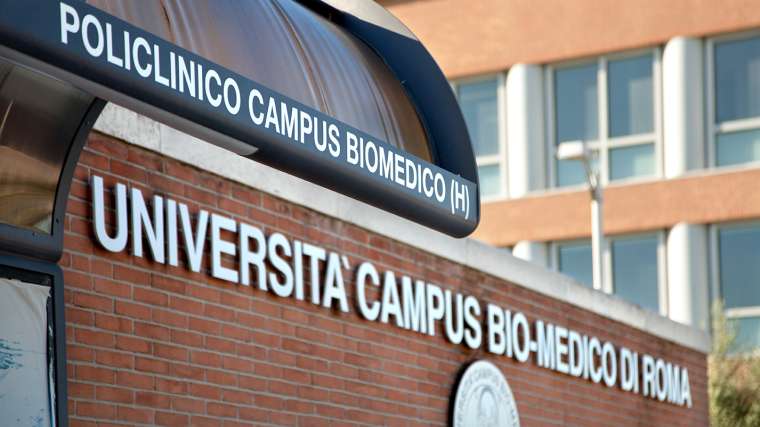
Fondazione Policlinico Universitario Campus Bio-Medico – First Hospital in Lazio to Achieve ERAS® Qualification in Bariatric and Colorectal Surgery

We are thrilled to celebrate the success of the first hospital in the Lazio region, the Foundazione Policlinico Universitario Campus Bio-Medico which recently completed their ERAS® Implementation Program in their bariatric and colorectal surgical pathway.

Under the leadership of Colorectal Surgeon Prof. Marco Caricato and Bariatric Surgeon Dr Vincenzo Bruni, the two teams embarked on their ERAS® implementation journey in April 2024. Over the course of a just over 12 months, they have made great progress in adapting and optimizing their perioperative processes to enhance patient outcomes.

Key Achievements:

  • Both teams reached a compliance of more than 80% towards the ERAS® Guidelines
  • In bariatric surgery an overall reduction in complication rates by 50%
  • In colorectal surgery the average hospital length of stay was reduced by 2 days
  • The summary, the results showcase the strength of the ERAS® Protocols in accelerating patient recovery and improving healthcare efficiency


This transformation was made possible by support from Encare’s partner Medtronic and the expert guidance and ERAS® Trainers of Dr. Giacomo Ruffo, Dr.ssa Elisa Bertocchi, Dr.ssa Irene
Gentile, Dr. Nicola Menestrina and Mrs. Roberta Freoni of IRCCS Ospedale Sacro Cuore Don
Calabria in Negrar di Valpolicella (Verona), Italy.

We wish the two teams at Fondazione Policlinico Universitario Campus Bio-Medico continued
success as they sustain their ERAS® work and continue to improve care for their patients!

Learn how your hospital can become ERAS® Qualified here

ERAS® Chatbot – Your 24/7 Clinical Companion

ERAS® Chatbot – Your 24/7 Clinical Companion

ERAS® knowledge at your fingertips. Answers in seconds.

ERAS® Chatbot – Your 24/7 Clinical Companion

No more searching PDFs, chasing colleagues, or waiting for guidance. The ERAS® Chatbot brings fast, standardized, multilingual answers directly inside your ERAS® Interactive Audit System (EIAS).

Clinical questions don’t wait for office hours

  • Clinicians spend time searching guidelines, Googling, or relying on colleagues.
  • Guidelines are long, evolving, and hard to apply in real time.
  • Simple questions slow down care, training, and protocol adoption.

Fast, accurate, and always available

  • Built directly into EIAS.
  • Answers ERAS® protocol questions instantly.
  • Multilingual, standardized, and based on validated ERAS® guidelines.

Ask once. Know now

Use Case 1 – Nurse Team

Nurse team

Use Case 2 – Surgeon Team

Surgeon team

Use Case 3 – Quality Director

Quality director

Benefits

  • Save Time: No more wasted searches or escalations.
  • Stay Standardized: Answers always aligned with ERAS® guidelines.
  • Train Smarter: Boost adoption across teams with self-service knowledge.
  • Reduce Dependency: Empower every team member, from junior nurse to senior surgeon.

Bring ERAS® guidance to your team’s fingertips.

Clip: You Say You Do ERAS®… But Can You Prove It?

Many clinicians say they’re doing ERAS®—but without data, it’s just a good intention.


Professor Olle Ljungqvist, co-founder ERAS® Society,  explains why true ERAS® requires structured audit of both outcomes and processes — not guesswork:

    • National data still shows lengths of stay far above ERAS® benchmarks.
    • The missing link? Audit and control.

That’s the difference between ERAS and ERAS®:
One is an idea or an ambition. The other is measurable, guideline-based, and transformational.

Video excerpt from a webinar hosted by SurgeOn – Surgery Unified,

Thank you!

Your email address has been successfully submitted.

We’ll be in touch soon with more information.

Add Your Heading Text Here